
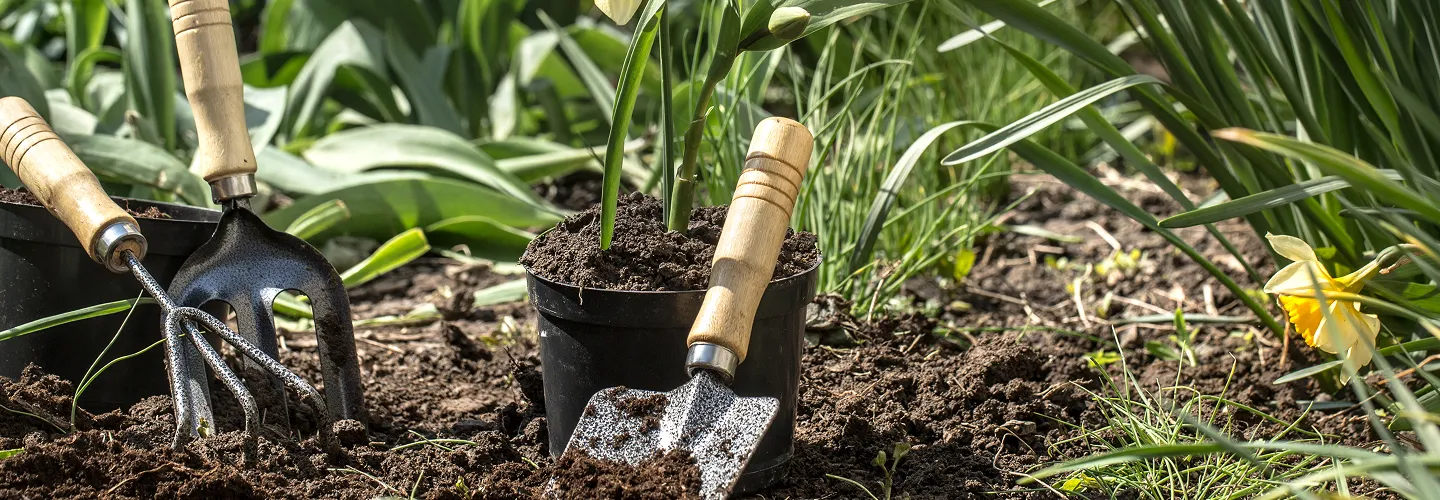
Apollo Beach Plant Removal Services
Choose our plant removal services for safe, thorough, and environmentally responsible solutions that restore your landscape’s beauty and health—handled by trusted local experts.
Get a Free QuoteOur Apollo Beach Landscaping & Yard Care Services
When to Schedule Plant Removal in Apollo Beach, Florida – Seasonal Guide
In Apollo Beach, Florida, timing your plant removal is crucial for both the health of your landscape and compliance with local guidelines. The region’s subtropical climate, characterized by warm, humid summers and mild winters, means that the best periods for plant removal are typically late winter through early spring. This window, just after the last frost date and before the onset of the rainy season, allows for easier root extraction and minimizes stress on surrounding vegetation. Neighborhoods like MiraBay and Waterset often experience dense shade coverage and unique soil compositions, making it important to consider local microclimates when planning removal projects.
Environmental factors such as high humidity, sandy soils, and the risk of summer droughts can impact the success of plant removal and subsequent replanting. Additionally, municipal guidelines—available through resources like the Town of Sudbury—may influence when and how removal can be performed, especially near protected wetlands or community green spaces. By understanding these local nuances, homeowners can ensure their landscapes remain healthy and compliant year-round.
Local Factors to Consider for Plant Removal in Apollo Beach
- Tree and shrub density in neighborhoods like Harbour Isles
- Soil type (sandy vs. loamy) and drainage capacity
- Seasonal precipitation patterns and hurricane risk
- Municipal restrictions on removal near conservation areas
- Shade coverage from mature oaks and palms
- Proximity to water features or protected wetlands
Benefits of Plant Removal in Apollo Beach
Expert Landscaping Services
Efficient Plant Removal
Eco-Friendly Disposal Methods
Improved Curb Appeal
Customized Solutions
Licensed and Insured Team
Apollo Beach Plant Removal Types

Invasive Species Removal
-
Tree Stump Extraction
-
Shrub and Bush Clearing
-
Overgrown Vegetation Management
-
Root System Removal
-
Dead Plant Disposal
-
Landscape Bed Clearing
Our Plant Removal Process
Site Evaluation
Preparation and Safety Measures
Plant Extraction
Debris Removal
Site Restoration
Why Choose Apollo Beach Landscape Services
-
Apollo Beach Homeowners Trust Us
-
Expert Lawn Maintenance
-
Reliable Irrigation Solutions
-
Competitive Pricing
-
Professional Team
-
Satisfaction Guarantee
-
Personalized Service
Coordinating Plant Removal with Hillsborough County Public Works in Apollo Beach
Plant removal in Apollo Beach, FL, requires careful coordination with Hillsborough County Public Works, especially when dealing with large vegetation, invasive species, or debris near public rights-of-way, canals, or drainage systems. Residents and property managers must ensure that removed plant material is properly staged for collection and does not obstruct swales, storm drains, or roadways. The county provides guidelines for vegetative debris placement and may require bundling or containerization for curbside pickup. For projects impacting public infrastructure or drainage, advance notification to Public Works is recommended to prevent runoff or blockages. Key steps include:
- Placing plant debris away from storm drains and canal edges
- Following county collection schedules and bundling requirements
- Avoiding obstruction of sidewalks, driveways, or traffic lanes
Hillsborough County Public Works Department
601 E. Kennedy Blvd., Tampa, FL 33602
Official Website: Hillsborough County Public Works Department
How Apollo Beach’s Gulf Coast Conditions Shape Plant Removal Practices
Apollo Beach is situated on Florida’s Gulf Coast, characterized by a subtropical climate, high humidity, and a pronounced wet season from June through September. These conditions influence plant removal in several ways:
- Sandy and fill-based soils are common, leading to rapid drainage but also increased erosion risk after root-zone disturbance
- High water tables and proximity to canals or estuaries mean that improper removal can accelerate runoff and sedimentation into sensitive waterways
- Salt exposure near the coast affects plant selection and may require special handling for salt-tolerant or invasive coastal species
Additionally, the USDA Hardiness Zone for Apollo Beach is 10a, supporting year-round plant growth and necessitating ongoing vegetation management. Removal activities should account for the potential for rapid regrowth and the need for site stabilization, especially during the rainy season. For more on local soils, consult the USDA Web Soil Survey.
Regulatory Requirements and Environmental Compliance for Plant Removal in Apollo Beach
Plant removal in Apollo Beach is subject to both county and state regulations, particularly when work occurs near drainage features, public rights-of-way, or environmentally sensitive areas. Hillsborough County may require permits or review for removal of certain protected species or for work adjacent to canals, swales, or stormwater infrastructure. Compliance with the Clean Water Act and the Florida DEP NPDES Stormwater Program is essential to prevent sediment, debris, or chemicals from entering waterways. Key regulatory considerations include:
- Confirming if a permit is needed for removal near water bodies or public land
- Ensuring debris is not left in a manner that could obstruct drainage or contribute to flooding
- Adhering to county code enforcement standards for property maintenance and vegetation management
Hillsborough County Code Enforcement
601 E. Kennedy Blvd., Tampa, FL 33602
Official Website: Hillsborough County Code Enforcement
Professional Standards and Timing for Plant Removal in Apollo Beach’s Climate
Effective plant removal in Apollo Beach requires attention to both timing and technique, given the region’s climate and environmental sensitivities. Removal is often best scheduled during the dry season (October through May) to minimize soil disturbance and erosion risk. Professional standards recommend:
- Stabilizing exposed soil immediately after removal to prevent runoff, especially near canals or swales
- Avoiding removal during peak wet season unless necessary for storm preparation or hazard mitigation
- Using appropriate equipment to minimize compaction and disturbance of sandy or fill-based soils
- Disposing of all plant material according to county guidelines to prevent clogging of stormwater systems
For additional guidance on protecting water resources during landscape work, see UF/IFAS Gardening Solutions - Protecting Florida’s Water Resources and the EPA Stormwater Discharges from Municipal Sources.
Hillsborough County Tree Resources
601 E. Kennedy Blvd., Tampa, FL 33602
Official Website: Hillsborough County Tree Resources
What Neighborhoods Do We Serve Throughout Apollo Beach, FL?
- Apollo Beach Boulevard Corridor This area features mature landscaping and canal-front lots, requiring careful debris handling to protect water quality.
- Mirabay A master-planned community with extensive waterfront and HOA-managed green spaces, where plant removal must consider irrigation and drainage systems.
- Harbor Isles Known for larger lots and proximity to natural preserves, this neighborhood often faces unique challenges with invasive species and wetland adjacency.
- Waterset A newer subdivision with fill-based soils and engineered drainage, where plant removal must avoid disrupting swales and retention areas.
- Bal Harbor Features established shade trees and older lots, necessitating attention to root-zone stability and stormwater flow.
- Islands Community Includes coastal exposure and salt-tolerant plantings, with removal projects often requiring special disposal to prevent salt-laden debris from entering canals.
- Southshore Falls An active adult community with managed landscapes and strict HOA guidelines, emphasizing compliance with both county and neighborhood standards.